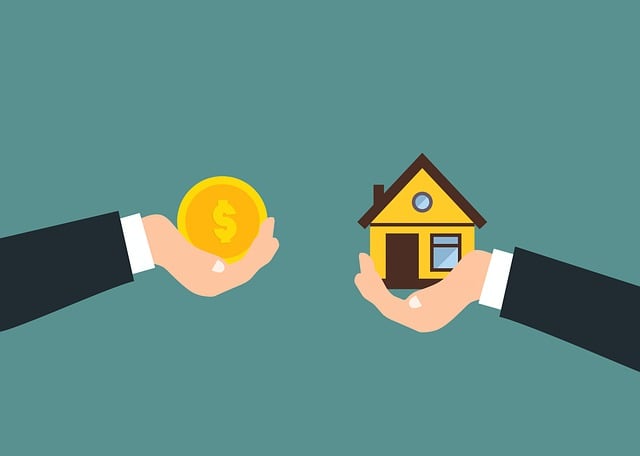
Home loan rates are determined by credit score, loan amount, term, market conditions, and mortgage type (fixed or adjustable). Stronger credit scores secure lower rates (e.g., 3% with 780+), while limited savings or poor credit result in higher rates (>5% below 640). Longer terms reduce monthly payments but increase overall cost. Borrowers should assess needs, explore options, monitor market trends, compare offers, maintain strong credit profiles, and choose between fixed or adjustable rates based on financial goals to secure competitive home loan rates.
Homeownership is a cornerstone of financial stability for many individuals and families. However, navigating the complex world of home loan rates can be a significant challenge. Understanding these rates is crucial as they significantly impact the long-term cost of owning a home. This article provides a professional overview designed to demystify home loan rates, equipping homeowners with the knowledge to make informed decisions about one of their largest investments. By delving into factors influencing rates and offering practical insights, we aim to empower folks to confidently navigate this essential aspect of homeownership.
Understanding Home Loan Rates: A Foundation for Homeowners
Understanding home loan rates is a cornerstone for homeowners looking to navigate the financial landscape of property ownership. Home loan rates are essentially the cost of borrowing money to finance your home purchase. They’re determined by several factors, including your credit score, loan amount, loan term, and market conditions. A strong grasp of these dynamics empowers borrowers to make informed decisions, securing favorable terms that align with their financial goals.
For instance, a borrower with an excellent credit score and a substantial down payment may qualify for lower interest rates compared to someone with limited savings or a less-than-perfect credit history. According to recent data, a 780 credit score can yield average interest rates around 3%, while scores below 640 might result in rates exceeding 5%. Additionally, choosing a longer loan term typically lowers monthly payments but increases the overall cost due to accumulated interest.
To optimize their position as borrowers, homeowners should proactively assess their borrower requirements and explore various lending options. Regularly monitoring market trends and comparing offers from different lenders can help lock in competitive home loan rates. Maintaining a strong credit profile through responsible borrowing and timely repayments also significantly influences the rates offered. By understanding these interconnected factors, homeowners can lay a solid foundation for financial stability and long-term wealth building through their property investments.
Factors Influencing Home Loan Rate Variations

Home loan rates are a complex web influenced by numerous factors. Understanding these variables is crucial for borrowers aiming to secure the best terms on their mortgages. While market conditions play a significant role in determining home loan rates, several other elements come into play, each impacting the overall cost of borrowing. For instance, consider the recent surge in home prices and low interest rates—while beneficial for buyers in the short term, it can lead to higher long-term debt obligations if not managed prudently.
One key factor affecting home loan rates is borrower creditworthiness. Lenders assess a borrower’s financial health through credit scores, debt-to-income ratios, and employment history. A strong credit profile often results in more favorable interest rates since lenders perceive such borrowers as lower risk. Conversely, borrowers with less-than-perfect credit may face higher rates or even denial of loan approval. For instance, according to recent data, borrowers with a credit score above 760 typically secure the best home loan rates, while those below 620 may struggle to find affordable financing options.
Another critical aspect is the prevailing economic climate. Central bank policies and monetary trends significantly influence home loan rates. During periods of inflation or economic growth, lenders tend to increase rates as a hedge against rising costs. Conversely, in times of economic downturn, lowering interest rates stimulate borrowing and investment, often resulting in more accessible home loan rates for borrowers. Understanding these macroeconomic factors can help homeowners anticipate rate movements and make informed decisions about their finances.
Additionally, the type of mortgage product chosen also impacts home loan rates. Fixed-rate mortgages offer stability with consistent monthly payments over the loan term, while adjustable-rate mortgages (ARMs) provide initial lower rates that can change over time. Borrowers should weigh their financial goals and tolerance for risk when selecting a mortgage product. For instance, if a borrower plans to sell the property within a few years, an ARM might be suitable due to its potentially lower initial rates. However, for long-term homeowners seeking stability, a fixed-rate mortgage offers predictability and protection against rate increases.
Comparing Lender Offerings: Strategies for Savvy Borrowers

When navigating the world of home loans, understanding the nuances of home loan rates is a strategic move for any savvy borrower. With various lenders in the market, each offering tailored packages, the process can be both exciting and daunting. This competitive landscape presents an opportunity for homeowners to secure favorable terms that align with their unique financial situations. The key lies in comparing lender offerings, a strategy that empowers borrowers to make informed decisions.
One of the primary aspects to scrutinize is the home loan rates on offer. Interest rates significantly impact the overall cost of borrowing and should be evaluated alongside other borrower requirements such as fees, loan structures, and repayment terms. For instance, a lower interest rate might appear appealing initially, but if accompanied by stringent prepayment penalties or hidden fees, it could prove less beneficial in the long run. Borrowers should aim to strike a balance between achieving an attractive home loan rate and ensuring flexibility and affordability throughout the loan tenure.
Lenders typically differentiate their offerings based on risk assessment, creditworthiness, and market trends. Savvy borrowers can leverage this competition by shopping around for quotes from multiple lenders and comparing the small print. Online tools and financial advisors can assist in this process, providing a comprehensive overview of current home loan rates and helping borrowers identify lenders who cater to their specific needs. By adopting a strategic approach, homeowners can secure not only competitive home loan rates but also customized conditions that contribute to long-term financial stability.
Interpreting Your Credit Score's Impact on Loan Rates

Your credit score plays a pivotal role in determining the home loan rates you’ll encounter when seeking to finance your property purchase. This three-digit number acts as a snapshot of your financial health and reliability in the eyes of lenders. A higher credit score typically translates into more favorable home loan rates for borrowers, reflecting a lower perceived risk by the lender. For instance, according to recent data, a borrower with a credit score of 780 can expect significantly lower interest rates compared to someone with a score of 620—potentially saving thousands over the life of their mortgage.
Lenders use complex algorithms to assess your creditworthiness based on factors like payment history, outstanding debt, length of credit history, and types of credit used. A strong credit profile demonstrates consistent repayment behavior, which is music to a lender’s ears. Conversely, a low credit score may signal potential financial mismanagement, prompting lenders to offer higher borrower requirements, including steeper interest rates and smaller loan amounts. It’s crucial for borrowers to understand this dynamic, as it can significantly impact their long-term financial obligations.
Improving your credit score before applying for a home loan can open doors to better home loan rates. Regularly checking your credit report for errors or discrepancies is an essential first step. Paying down high-interest debt and maintaining low credit utilization (the percentage of available credit you’re using) can also have a substantial positive impact. Additionally, building a history of responsible borrowing—such as using credit cards sparingly and paying bills on time—can significantly enhance your credit score over time, putting you in a stronger position when shopping for a mortgage.
Securing the Best Home Loan Rate: Tips and Tools

Securing a favorable home loan rate is a critical aspect of purchasing a home, as it can significantly impact a borrower’s financial burden over the life of the loan. Understanding the factors that influence these rates and utilizing the right tools allows homeowners to make informed decisions and access the best possible terms.
Lenders use various criteria to determine home loan rates, including credit history, income stability, down payment amount, property value, and the type of mortgage chosen. A strong credit score is a key factor in securing lower interest rates as it demonstrates a borrower’s reliability. Borrowers with a history of timely payments and minimal debt are often rewarded with better terms. Additionally, lenders consider the loan-to-value ratio, which is the amount borrowed compared to the property’s value; lower ratios typically result in more favorable home loan rates. For instance, a down payment of 20% or more can unlock competitive rates for borrowers meeting other eligibility criteria.
To navigate this process effectively, borrowers should start by comparing rates from multiple lenders. Online tools and financial websites offer resources to simplify this task. These platforms allow users to input their loan amount, desired term, and personal details to generate customized rate quotes from various lenders. It’s important to consider not only the interest rate but also associated fees and charges. Some lenders may offer lower rates but include expensive closing costs or origination fees that can offset the initial savings. Additionally, borrowers should be aware of their borrower requirements and ensure they meet the minimum criteria set by lenders for the best rates. This might include maintaining a good credit score, demonstrating stable income, and ensuring sufficient funds for any associated expenses. Regularly reviewing market trends and remaining proactive in searching for better offers can also lead to significant savings over the life of a mortgage.