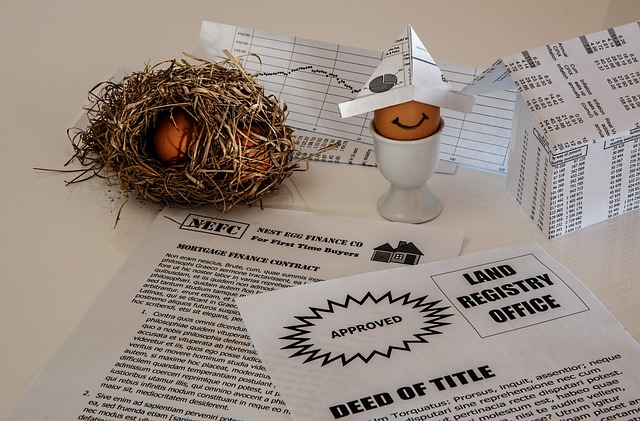
Homeownership is a cornerstone of the American dream, yet navigating home loan rates can be a complex and often daunting task for aspiring homeowners. With market fluctuations and varying loan types, understanding these rates is crucial to making informed decisions about one’s financial future. This comprehensive guide aims to demystify the world of home loan rates, providing homeowners with the knowledge to confidently navigate this critical aspect of their journey. We will delve into factors influencing rates, different loan types, and strategies to secure favorable terms, empowering readers with expert insights for achieving their homeownership goals.
Understanding Home Loan Rates: Basics Explained
Home loan rates are a fundamental aspect of homeownership, influencing every borrower’s financial journey. Understanding these rates is crucial for making informed decisions about one’s mortgage and long-term financial health. At their core, home loan rates reflect the cost of borrowing money to purchase or refinance a property. They are determined by various factors, including the borrower’s creditworthiness, the type of loan, market conditions, and the lender’s risk assessment.
For borrowers, it’s essential to grasp how these rates work since they directly impact the overall cost of their home loan. Lenders evaluate borrower requirements such as credit history, income stability, and debt-to-income ratios to set the interest rate. For instance, a strong credit profile with minimal debt might secure a lower rate compared to a borrower with less-than-perfect credit. Fixed-rate mortgages, popular for their predictability, offer a constant interest rate throughout the loan term, while adjustable-rate mortgages (ARMs) provide initial lower rates that can fluctuate over time.
Knowing your home loan rates allows you to compare offers from different lenders and choose the best option. According to recent data, an average 30-year fixed mortgage rate sits around 6.5%. Borrowers should also be aware of fees associated with loans, such as closing costs, which can significantly impact the overall borrowing cost. To optimize your home loan rates, maintain a solid credit score, reduce debt, and shop around for competitive offers from reputable lenders. This proactive approach ensures you secure favorable terms that align with your financial goals.
Factors Influencing Your Home Loan Interest Rate
Home loan rates are a significant factor in the home buying journey, significantly impacting the overall cost of ownership. Understanding what influences these rates is crucial for borrowers aiming to secure the best terms and conditions. Several key factors play a pivotal role in determining your home loan interest rate, each offering insights into how lenders assess risk and tailor their offers accordingly.
One prominent factor is your credit score. Lenders often consider this a primary indicator of financial responsibility. A strong credit history demonstrates consistent repayment behavior, which is appealing to lenders. For instance, borrowers with exceptional credit scores typically enjoy lower home loan rates compared to those with less-than-perfect credit. This difference can translate into savings over the life of the loan—potentially hundreds of thousands of dollars. Another critical aspect is the type and amount of debt a borrower carries. Lenders evaluate your overall debt-to-income ratio, considering both existing debts like credit cards and new mortgage payments. Managing high levels of debt might lead to higher interest rates, as lenders perceive increased risk.
The size of your down payment also significantly impacts home loan rates. Making a larger down payment can improve your borrowing power and attract better terms. Borrowers putting down 20% or more often gain access to lower rates compared to those with smaller down payments. Moreover, lenders may offer competitive rates for borrowers seeking to refinance their existing mortgages, especially if they have built significant equity in their homes. This strategy can be particularly effective during periods of declining interest rates, allowing homeowners to take advantage of more favorable market conditions.
Shopping for the Best Home Loan Rates

Shopping for the best home loan rates is a crucial step in securing your dream home. Understanding how these rates work and what influences them empowers borrowers to make informed decisions. Home loan rates are essentially the cost of borrowing money to purchase or refinance a property, expressed as a percentage of the loan amount. They are determined by several factors, including credit history, loan-to-value ratio, type of mortgage, and market conditions. For instance, a borrower with excellent credit and a higher down payment may secure a lower rate compared to someone with a newer credit profile seeking a larger loan.
One key aspect to consider is the difference between fixed and adjustable rates. Fixed rates remain consistent over the life of the loan, providing stability and predictability in monthly payments. Adjustable rates, on the other hand, fluctuate based on market conditions, offering potentially lower initial rates but carrying the risk of future increases. Borrowers should weigh these options based on their financial stability and long-term goals. According to recent trends, a 30-year fixed-rate mortgage averages around 3.5%, while adjustable rates typically start closer to 2.75%.
Additionally, shopping for home loan rates involves comparing offers from multiple lenders. Each lender has its own set of criteria and products, leading to variations in rates. Shopping around allows borrowers to identify the best fit for their borrower requirements, whether it’s a low-down payment option or a specialized loan program. Online tools can facilitate this process by providing side-by-side comparisons. When considering home loan rates, remember that the lowest rate isn’t always the best choice. It’s crucial to evaluate the entire loan package, including fees and closing costs, to ensure it aligns with your financial capabilities and long-term objectives.
Interpreting Different Types of Home Loan Rate Plans

Understanding different types of home loan rate plans is crucial for borrowers looking to navigate the complex landscape of mortgage financing. Home loan rates, inherently tied to borrower requirements, can significantly impact the overall cost and terms of a loan. For instance, a fixed-rate mortgage offers stability with consistent payments over the life of the loan, while an adjustable-rate mortgage (ARM) provides initial lower rates that can fluctuate based on market conditions.
One common ARM structure is the 5/1 ARM, where the initial rate is fixed for the first five years before adjusting annually. This option appeals to borrowers who anticipate moving or refinancing within the initial period. However, it’s essential to consider that subsequent rate adjustments could be higher than initial expectations. Contrarily, a 30-year fixed-rate mortgage guarantees consistent payments throughout the loan term, providing borrowers with long-term financial predictability at a potentially higher upfront cost.
Evaluating these plans requires a deep understanding of personal financial goals and market trends. Lenders typically consider credit score, debt-to-income ratio, and down payment amount when determining interest rates. Borrowers should aim to improve their creditworthiness before applying for loans with lower rates. Data suggests that a higher credit score can often secure better home loan rates, potentially saving thousands over the life of the mortgage. Thus, proactive financial management and informed decision-making are key to optimizing home loan rates based on individual borrower requirements.
Strategies to Negotiate and Lower Your Home Loan Rates

Negotiating home loan rates can be a strategic move for borrowers looking to secure more favorable terms on their mortgage. While interest rates in the broader market are influenced by various economic factors beyond individual control, borrowers can leverage several strategies to lower their home loan rates and ultimately save money over the life of their loan.
One effective approach is to shop around for the best offers from different lenders. Each lender has its own set of products and pricing structures, and comparing rates can reveal significant variations. Borrowers should obtain quotes from multiple institutions, including banks, credit unions, and online lenders, to find the most competitive home loan rates aligned with their borrower requirements. For instance, a study by the Federal Reserve showed that borrowers who shopped around saved an average of $200 on their closing costs by comparing five or more offers.
Credit score is another crucial factor in determining home loan rates. Maintaining or improving a strong credit score can open doors to lower interest rates. Lenders view higher credit scores as an indication of responsible borrowing and financial reliability. To enhance their creditworthiness, borrowers should focus on timely bill payments, keeping credit card balances low, and limiting new credit inquiries. According to FICO, a credit score of 760 or above is considered excellent and often results in the best home loan rates for borrowers meeting standard requirements.
Additionally, borrowers can explore specific programs designed to offer lower home loan rates. Government-backed loans, such as FHA or VA mortgages, often have more flexible borrower requirements and may provide reduced interest rates compared to conventional loans. Refinancing options, like cash-out refinancing or interest-only periods, can also be strategic moves for borrowers with suitable equity and repayment capacity. It’s essential to weigh the potential benefits against any associated fees and long-term financial implications to make informed decisions regarding these strategies.